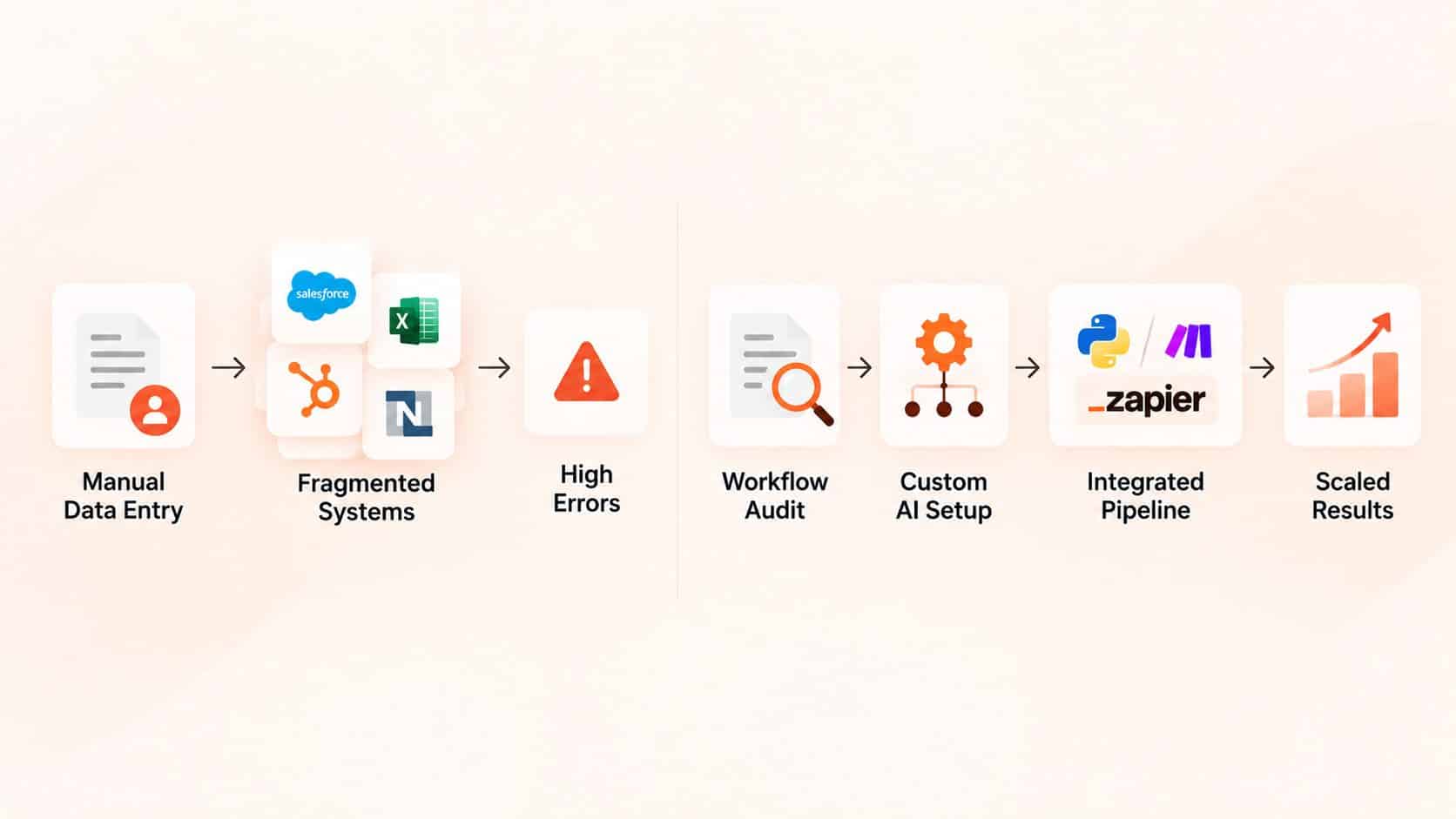
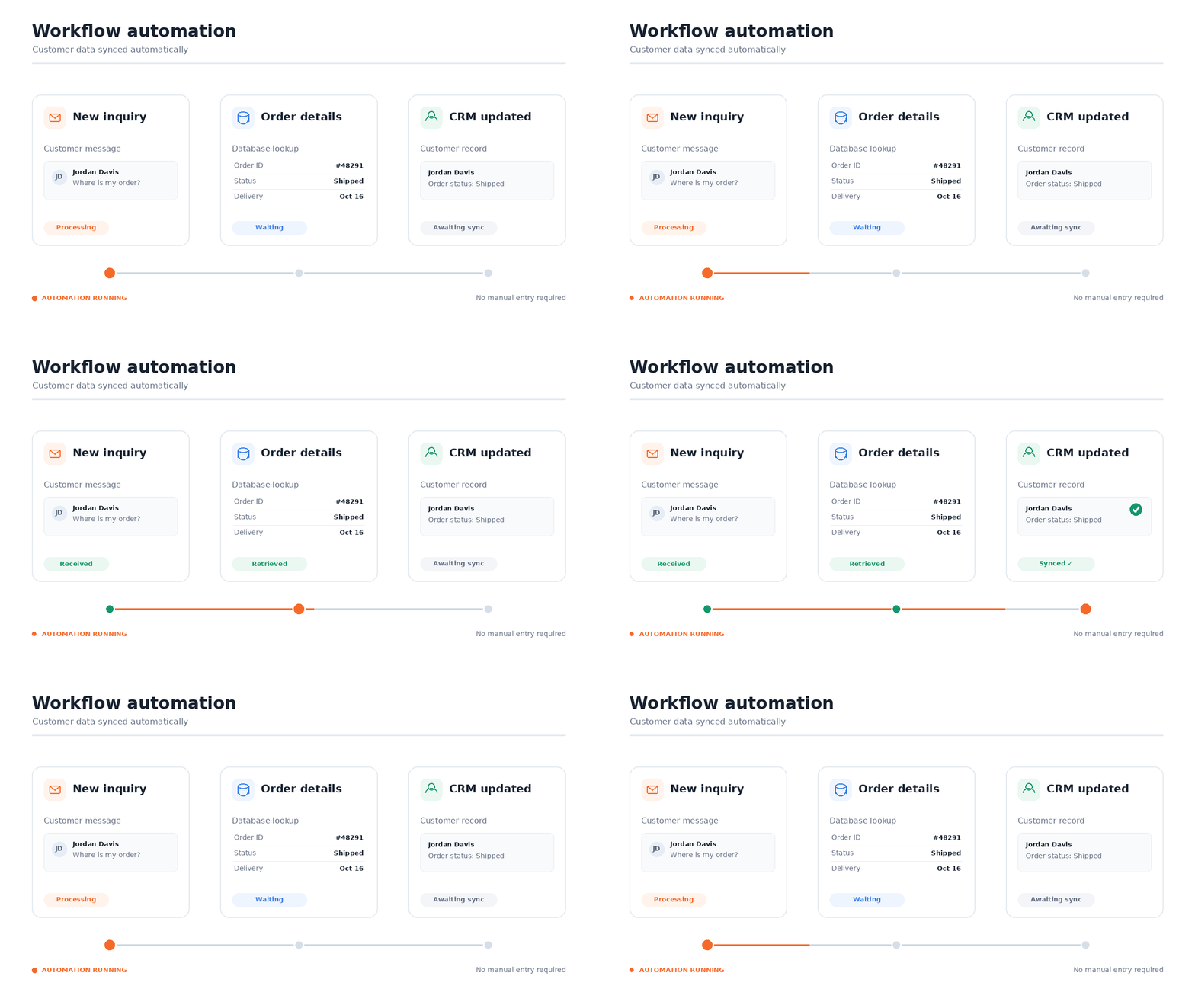
Let’s admit it: your team didn’t come into the industry so they could spend hours copying data, chasing invoices and moving support tickets from one place to another. But this is where a major percentage of time during the week goes.
If scaling your business, eliminating mundane and repetitive work, and generating additional income without hiring more people seems like your priority, then you are surely considering bringing in the right AI automation consultant. Nevertheless, working with an appropriate partner changes your entire business process while partnering with an unsuitable partner can leave you with a tensioned tech stack, wasted time and money.
This article describes how this cooperation looks like, how much you should pay and what signs you should watch out for before making any contracts with ai automation consultants before hiring.
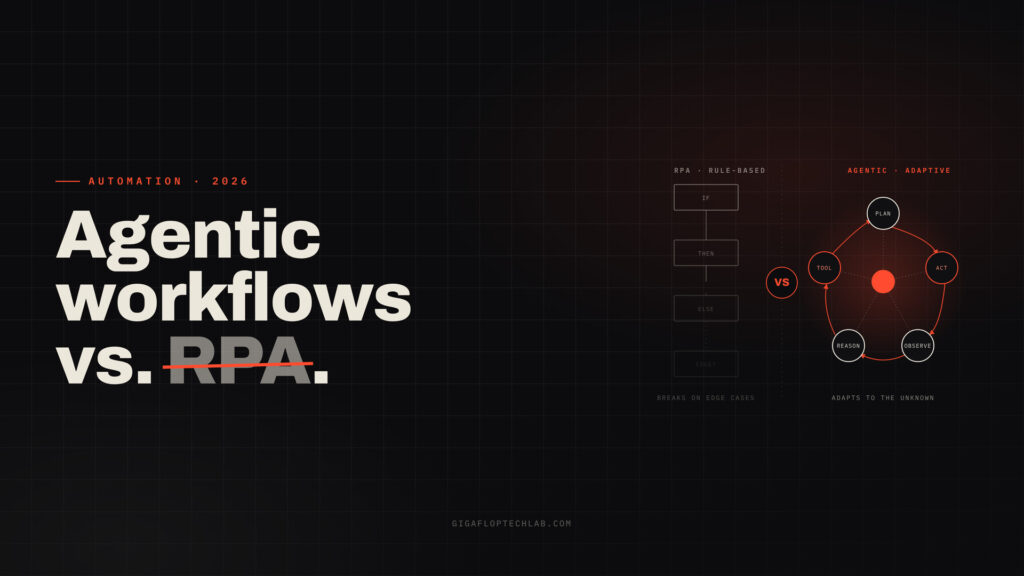
We are moving from a world where computers help people do things to a world where software systems act autonomously with full operational context to execute business outcomes.
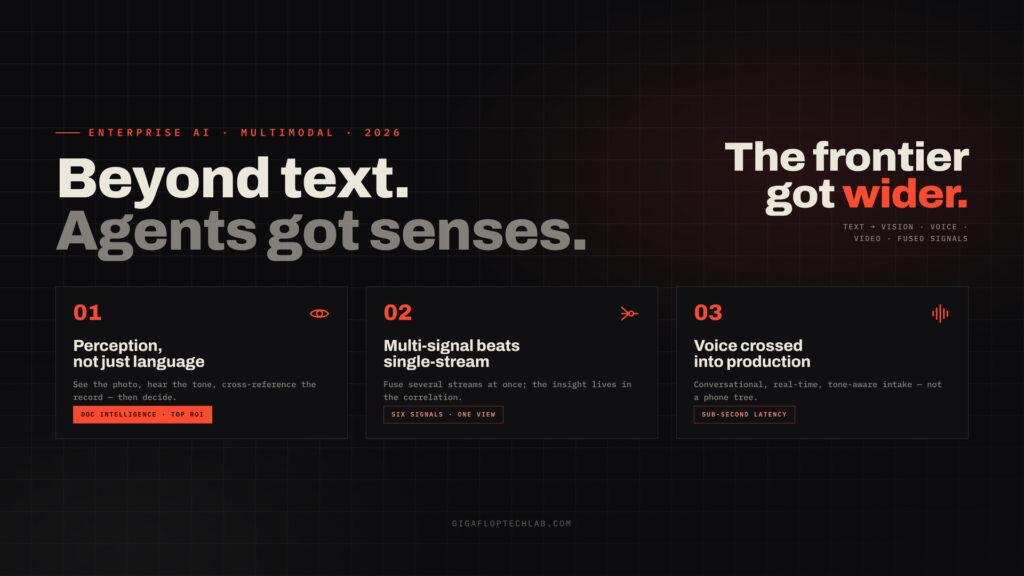
Because technology is moving that fast, finding someone who actually knows how to implement it safely rather than just throwing buzzwords around—is more important than ever.
What Is the Role of an AI Automation Consultant?
It is common to become confused with the hype. Simply put, an effective automation consultant is not just someone using random code or playing with prompts; this person is the one who provides connections between advanced technologies and daily business tasks.
They assess the existing software used by the client to determine how to connect it using APIs, machine learning, and workflow tools.
Phase 1: Discovery and Strategy (1 to 2 weeks)
- Determining accurately the actual Standard Operating Procedures (SOPs) instead of just relying solely on the written manual hence hence focusing on the mechanisms that actually propel the workflows.
- Identifying specific quick wins (for example, automatic sorting of leads or the extraction of the information from invoices) that definitely will yield the highest gain at the lowest cost.
- Selecting the technological stack that fits within the estimated budget and meets the needs for data security.
Phase 2: Build and Test (2 to 6 weeks)
- Creating the functioning proof-of-concept (PoC) that establishes the solutions for the main workflows.
- Carrying out stress tests of the system by subjecting it to different edge case scenarios to ensure that there are no hallucinations or violations of data integrity.
Phase 3: Deployment and Handover (1 week)
- Introducing the solution to the production environment.
- Ensuring that all the data is documented and all the powers of administration are transferred to the members of the team.
Proven Results: When structured right, these projects pay for themselves fast. For instance, we helped a fast-growing e-commerce brand automate their customer return triage process and cut support ticket resolution time.
💡 Wondering where your bottlenecks are?
Stop guessing. Book a Free 15-Minute AI Audit Today with our strategy team, and we will help you identify your top 3 high-impact workflows that are ready for immediate automation.
How Much Do AI Automation Services Cost?
There is a need to focus on figures. Pricing fluctuates quite drastically, depending on the technical complexity. The reason for such significant price fluctuations is that this area of activity involves aspects of both software engineering and extensive business experience. As a rule of thumb, the most affordable option will probably cost you more money in the end when the system collapses, as cheap is expensive.
So, here are the approximate numbers
- Project-Based Audit and Roadmap – $3,000 – $8,000. This option is suitable for those searching for a definitive road map, secure audit, and tool choice prior to investing significant sums of money in the development.
- Custom Implementation Projects – $10,000 – $50,000+. This price reveals the idea of actually conducting engineering and integration as well as obtaining end-to-end testing in business departments.
- Monthly Retainer (Optimization and Maintenance) – $2,500 – $10,000. This option is ideal for companies that are constantly growing and requiring permanent changes in their work, API maintenance, and expansion of their workflows.
Red Flags to Watch Out For
With the rapid rise of the internet, many people have begun to call themselves experts in the world of artificial intelligence. Here are some red flags to watch for when looking for an artificial intelligence partner:
They Prioritize Technology Instead of Your Needs – If a vendor only starts to talk about complicated things like neural networks and LLMs instead of your profit margins, the size of your team, and other important operational issues, then it is time to move on. Technology should solve an issue rather than just seem impressive on a slide.
Misleading Claims – You have to remember that AI tools often hallucinate. If someone tells you that their automated chatbots or marketing assistants will always be perfect without the involvement of humans, this means that they have no idea how AI technology works.
Dependency – Some developers create their software solutions in such a way that it will make you dependent on them for minor changes or bug fixes. Make sure that your company owns the software from the beginning.
No History of Success – A skilled partner should have actual examples of how they have improved operations for their previous clients. If they fail to provide evidence, then it is likely your project is just going to be another training exercise for them.
Frequently Asked Questions (FAQs)
Independent consultants generally provide high-level strategic advice, architectural design, and unique solutions for complex issues. In contrast, the automation agency comes with a whole team of programmers, QA specialists, and project managers—to create, deploy, and maintain complete solutions on a large scale.
It’s necessary to sign an NDA (non-disclosure agreement) and DPA (data processing agreement). You have to verify the use of enterprise-level API software, for example, significant solutions from Azure OpenAI or OpenAI Enterprise. That way, you can be sure that your sensitive company data will never be used to train public models.
Typically, targeted automation takes from four to eight weeks beginning with auditing the workflow and ending with production deployment and staff training.
No. Different leaders have been able to manage these technologies successfully either by working with low-code management platforms or by hiring experts who do the technical work allowing the team to focus on outcomes.
Ready to Streamline Your Operations?
Stop letting manual busywork slow down your growth. Let’s talk about your workflows and map out a high-ROI automation strategy tailored to your business.