New ways are emerging in how businesses handle technology and their workforce. According to the latest organizational labor statistics, 56% of Global 2000 companies already have “Agentic Ops” positions or teams established in order to oversee agentic AI systems.
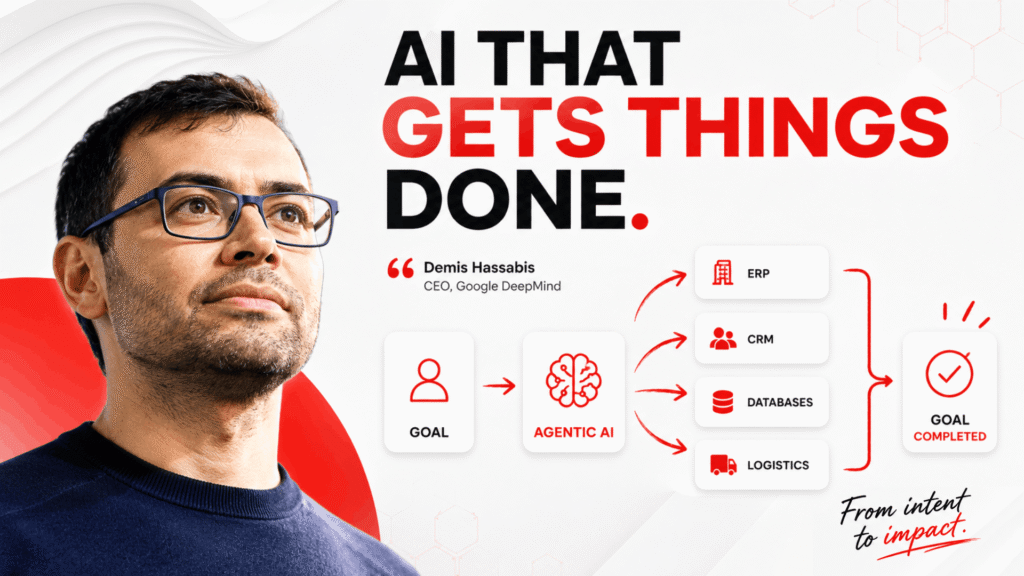
In the past, enterprises usually relied on AI chatbots to help employees cope with their workloads. However, today’s AI agents are capable of performing much more complex tasks than just assisting people in their work. For example, they are able to get access to internal databases, make API calls, operate ERP systems, and complete various assignments independently.
Since the implementation of these autonomous AI systems in everyday business operations is increasing, organizations have to allocate resources for the supervising, managing, and developing of such systems. They need to employ people who will specialize in the management of digital employees and AI systems.
Industry analysts at Gartner report that formal operational governance over autonomous systems prevents costly execution drift:
“By the end of 2026, enterprise companies that establish specialized Agentic Ops teams will experience 70% fewer unauthorized API transactions than those relying on unmonitored IT scripts.”
This document gives an overview of the concept of Agentic Ops, explains why it is necessary to have teams working on AI agents, and provides suggestions on how to harness AI solutions for the omnipresence of such autonomous systems.
DevOps vs. MLOps vs. Agentic Ops: How IT Operations Are Changing
To understand the reasons for the emergence of Agentic Ops teams in organizations, it is essential to look at some historical developments related to the evolution of IT operations. The introduction of DevOps has led to a more unified approach towards development and operations.
| Operational Framework | Core Operational Focus | Primary Infrastructure | Primary Failure Mode Target |
| Traditional DevOps | Code deployment & uptime | Cloud servers & CI/CD pipelines | System crashes & server downtime |
| Standard MLOps | Model training & data drift | Feature stores & model weights | Model accuracy degradation |
Agentic Ops | Action governance & tool safety | Agentic AI loops, APIs, & memory | Unintended tool execution & policy drift |
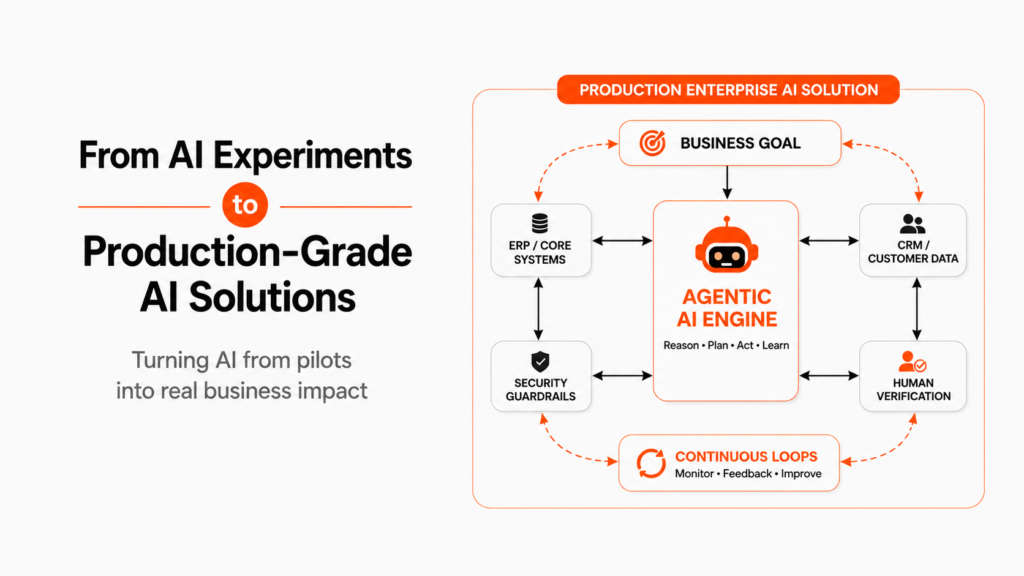
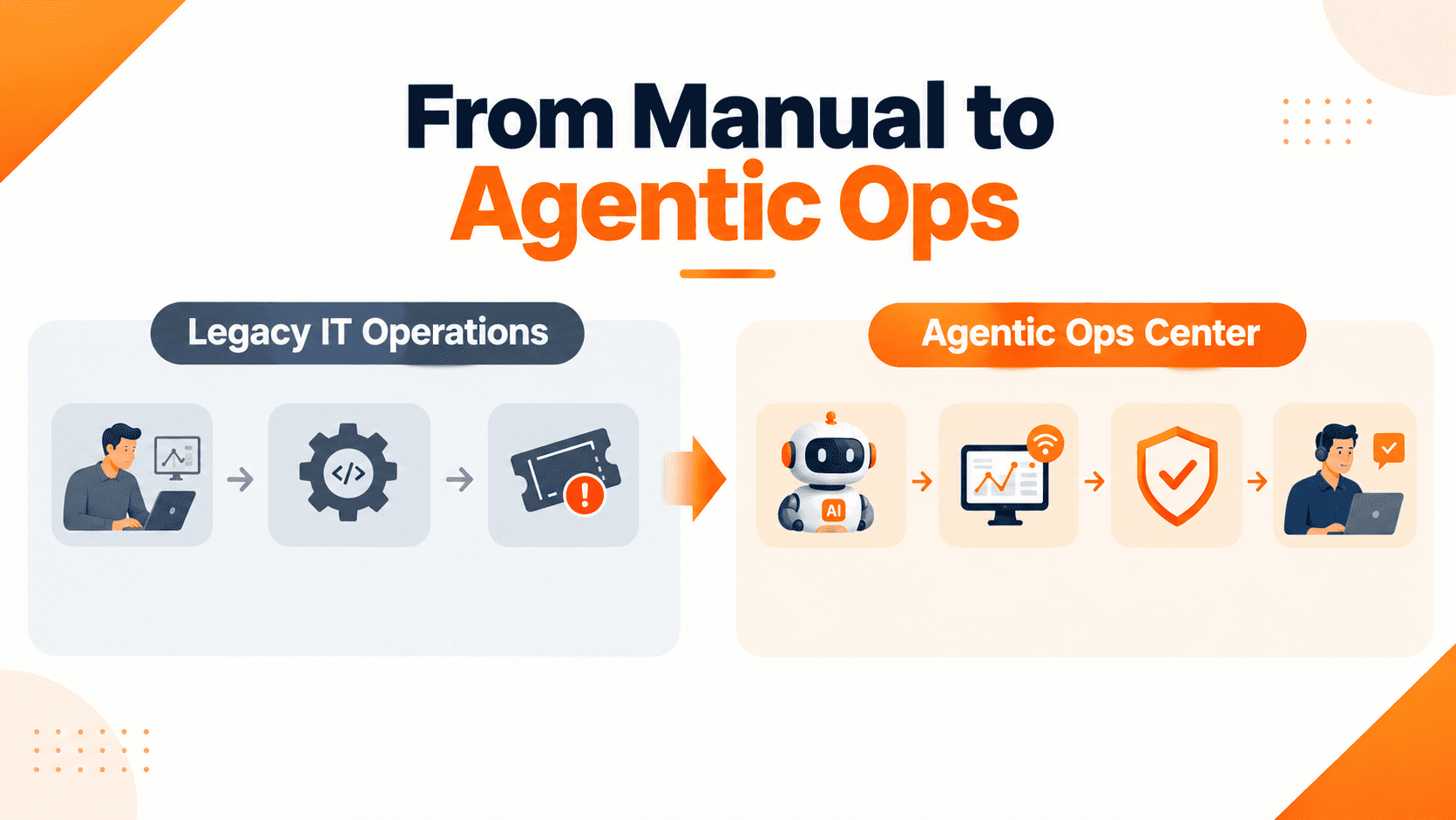
MLOps targets the training and handling of AI models; Agentic Ops, however, is concerned with the management of the actions engaged in by AI agents. Such teams follow what steps AI agents take, regulate their accessibility of various systems including tools, accountable for their expenditures, and intervene if human interference is required.
4 Core Jobs of an Agentic Ops Specialist
When companies build an Agentic Ops team, specialists typically focus on four key areas:
- Guardrails and Permissions: Control the tools and APIs that an AI agent can use and the actions it can take.
- Memory and Context: Ensure that the agent’s data, prompts, SOPs, and knowledge bases are updated so that the agent can make accurate decisions and avoid repeating mistakes.
- Human Approvals: Ensure that sensitive actions such as approving refunds above $1000 are reviewed by a human before action is taken.
- Cost and Performance: Track API usage, response times, and the costs of tasks to ensure that AI agents are efficient and cost-effective.
💡 Is your organization prepared to manage autonomous AI workforces?
Avoid operational bottlenecks and unmonitored API expenses. Book a Free 15-Minute AI Integration Audit with our technical architects to benchmark your enterprise governance framework.
Where Agentic Ops Teams Deploy First
Agentic Ops teams are often created in the areas of the business where AI agents play a major role and any mistakes can potentially cause large financial losses. For example:
- Finance and ERP: The teams monitor AI agents matching invoices and purchase orders in systems such as SAP or NetSuite. If there is any discrepancy, it is forwarded to a manager for further action.
- Customer support and claims: The teams supervise agents dealing with returns and warranty questions, as well as issuing refunds to customers via systems like Shopify and various accounting software.
- Supply chain and logistics:The teams oversee agents in charge of shipment tracking, delivery delays, and stock updates in the warehouse.
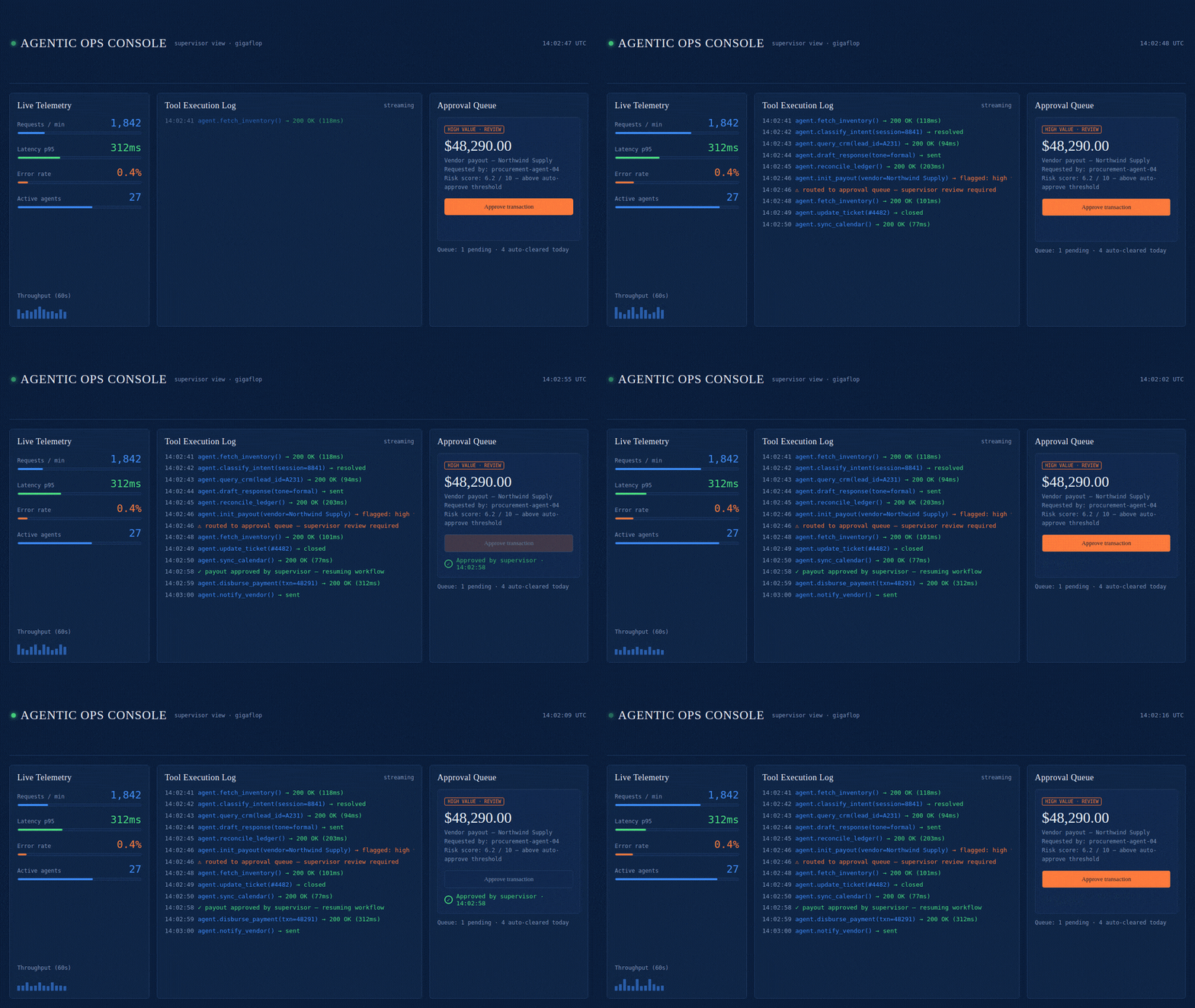
When our team deployed governed agentic architectures for business operations, we helped a mid-market enterprise cut manual invoice processing costs by 59% while maintaining strict human-in-the-loop oversight across legacy databases.
The Executive Blueprint for Establishing an Agentic Ops Practice
Building an internal governance framework requires balancing speed with enterprise security controls.
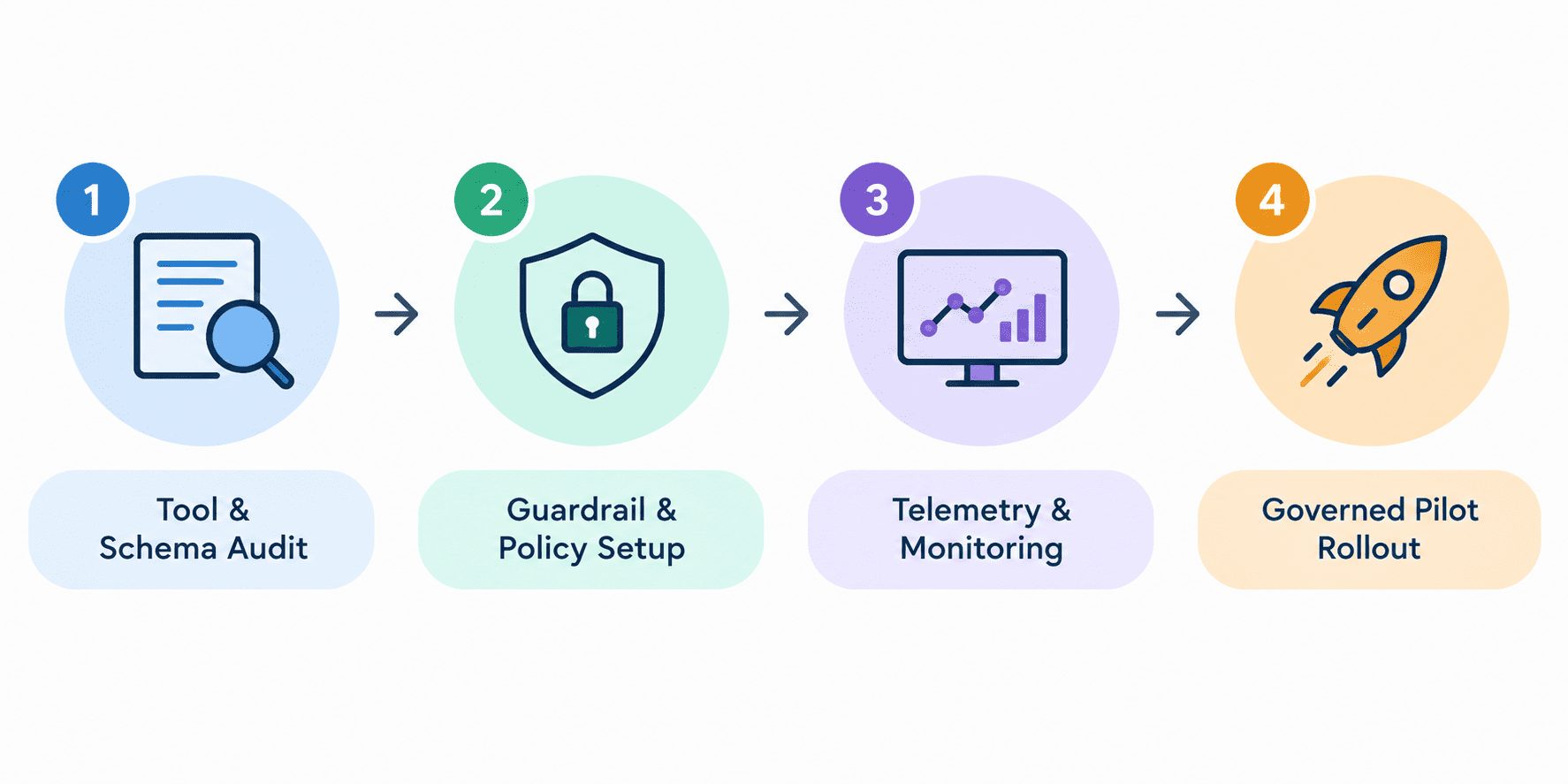
Phase 1: Survey Your APIs and Connections
Make a list of the available APIs, databases, and webhooks that would be used by your AI agents. Specify data formats and grant each agent only the rights that are necessary for it.
Phase 2: Strengthen Security and Guardrails
Implement a security monitoring system for ensuring what agents are receiving and what actions they are taking. Use tools like NeMo Guardrails to be sure agents are not taking any illegal actions.
Phase 3: Maintain Performance and Cost Control
Develop a system for monitoring agent performance, API and token usage, errors, average responses, and total costs associated with the agents. Identify appropriate KPIs to measure performance.
Phase 4: Test the System for 90 Days
Don’t give the agents rights immediately. Use Agentic Ops professionals and business managers to run a 90-day test of the agents and thus measure their performance on accuracy, time taken, cost incurred, and interference by humans.
🚀 Scale Your Enterprise AI Operations Securely
Ready to establish robust operational governance and deploy production-ready agentic workflows?
Risk Mitigation: Security, Logging, and Fail-Safes
Using agentic AI without proper oversight can create serious business and security risks. Companies need clear controls to keep AI agents from making costly mistakes.
- Prevent Runaway Actions: An agent stuck in a loop could repeatedly call APIs, increase token costs, or overload databases. Set limits on how many times an agent can retry or run an action.
- Protect Against Prompt Injection: Malicious instructions can try to trick an AI agent into ignoring its rules or exposing sensitive data. Use security controls at the API gateway to detect and block these threats before they reach the AI model.
- Keep Workflows Recoverable: Store important workflow and transaction data in a reliable external database such as PostgreSQL or Redis. This allows agents to safely continue their work if a system crashes or restarts.
Frequently Asked Questions (FAQs)
Agentic Ops refers to a unit in charge of managing AI agents in an organization. They are responsible for the implantation, monitoring, protection, and maintenance of AI agents while they interact with the systems and software of the organization.
Conventional IT units are always concerned with keeping their systems, networks, and software operational. Agentic Ops is working in managing AI agents as regards what they can access, what actions they can undertake, and whether the decisions they make are correct/safe.
Companies have been implementing AI agents capable of reading/updating data in their CRMs, ERPs, and databases recently. Therefore, there is a need for professionals to monitor operations of AI agents.
Certainly. Existing IT departments or DevOps teams can be trained to become AI agent managers. Alternatively, organizations can use low-code technology or hire providers that have ready-to-use enterprise AI services.
Modernize Your Operational Infrastructure for Agentic AI
Ready to build governed, enterprise-grade AI operations for your business?