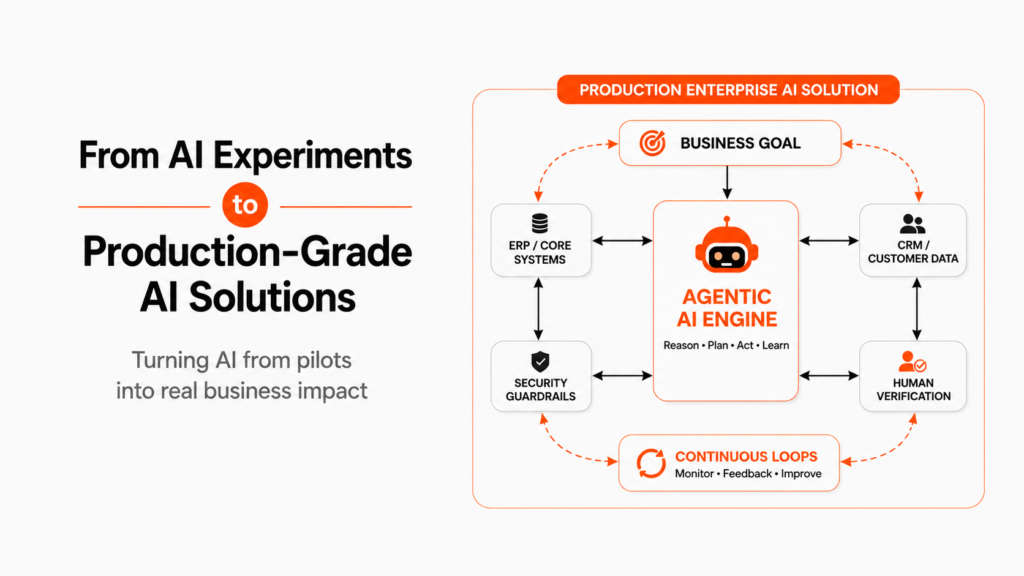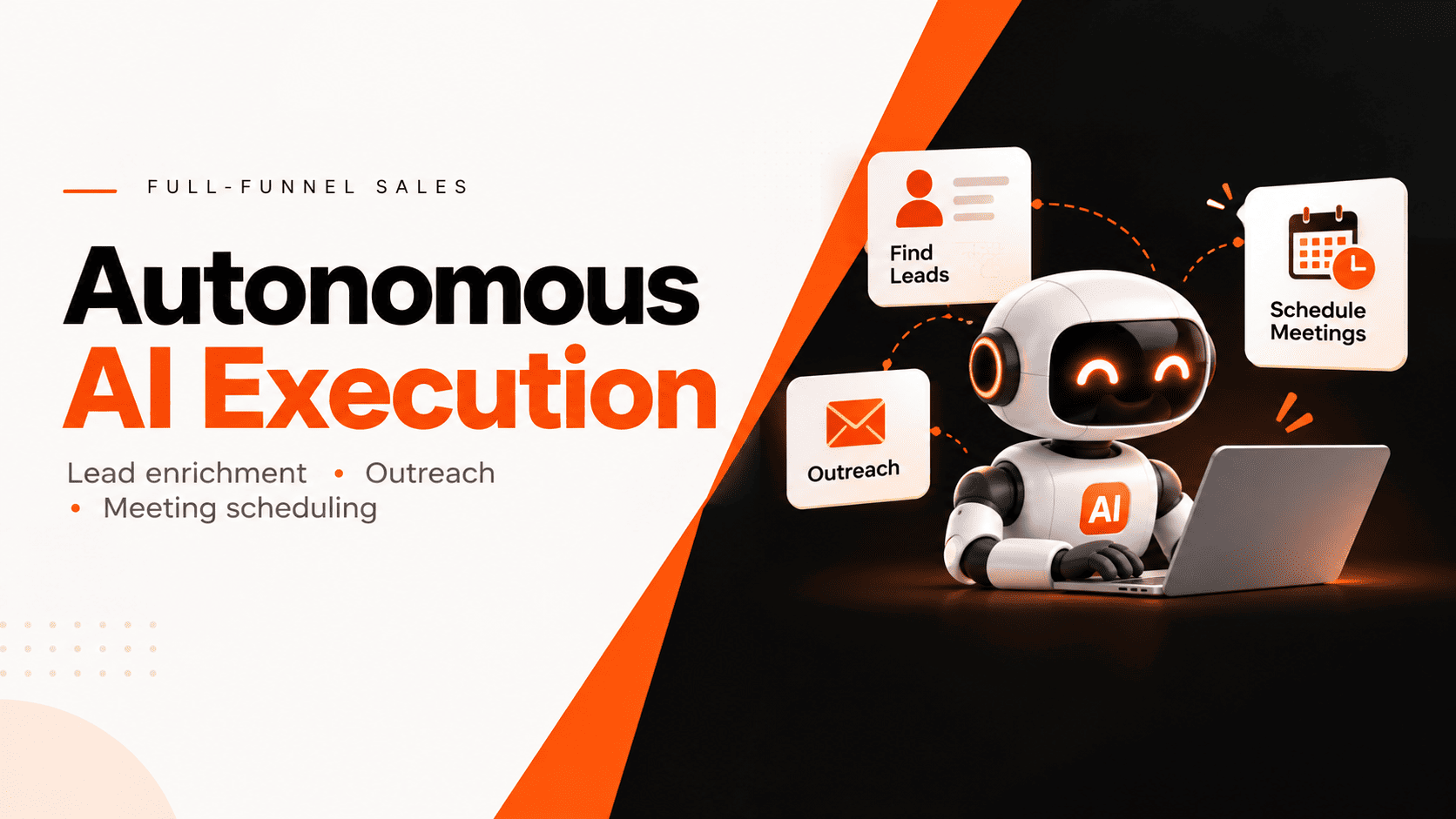
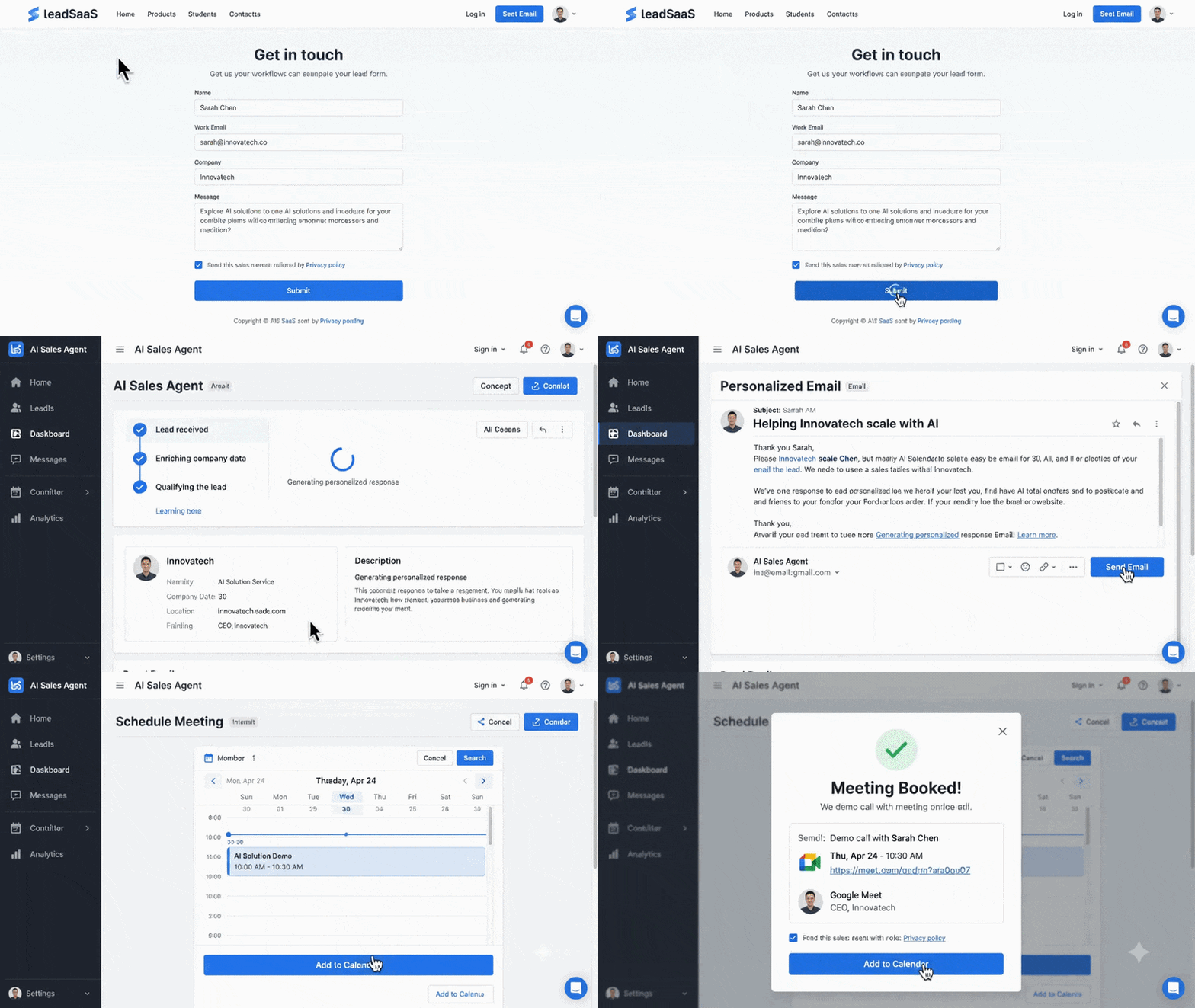
Traditional sales tools helped reps send emails faster, a modern AI sales agent executes entire SDR workflows autonomously. By connecting directly to your CRM, email gateways, and calendar APIs, autonomous agents evaluate inbound leads, enrich prospect profiles, write personalized outreach, and handle meeting scheduling without manual intervention.
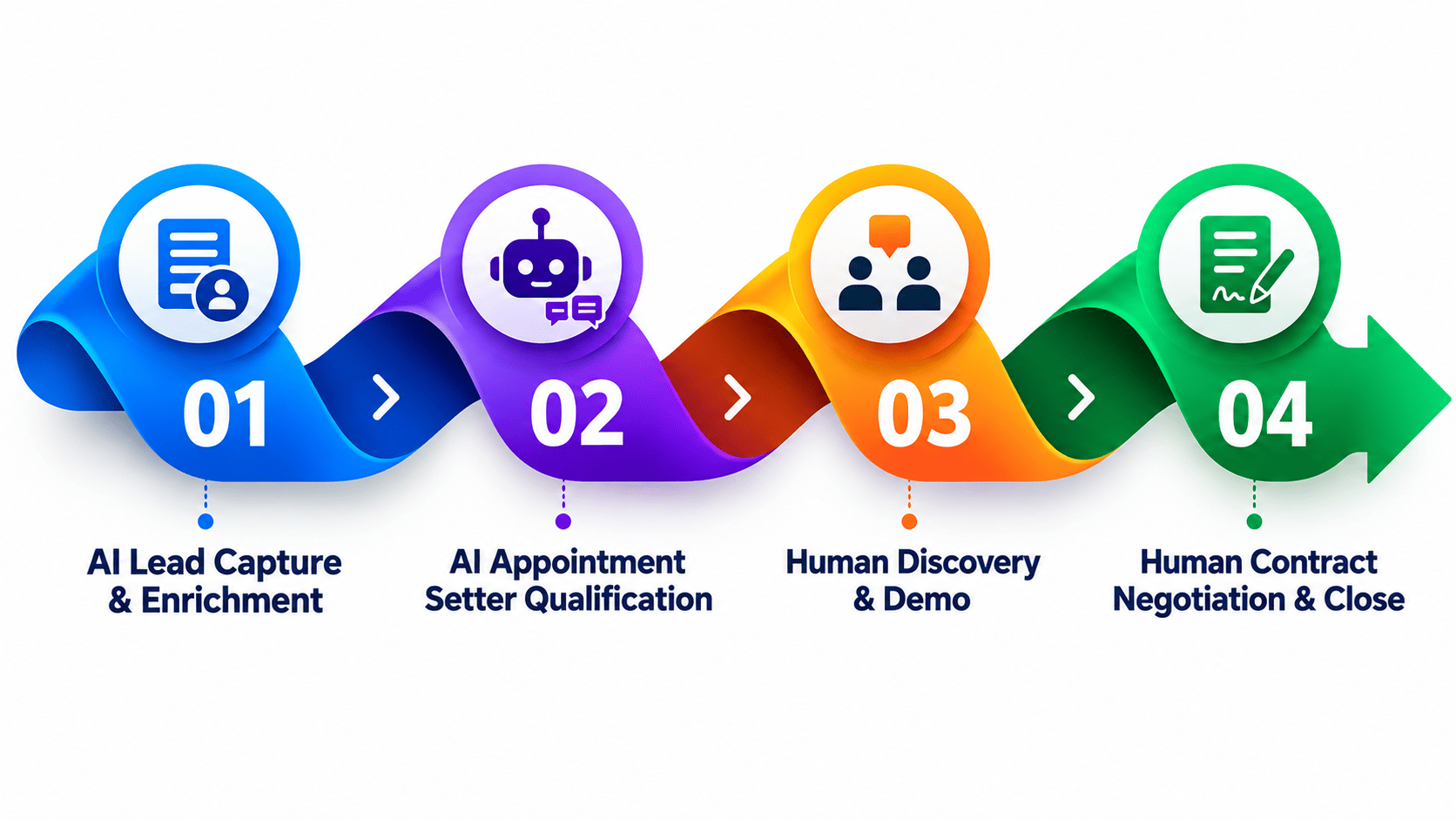
However, over-relying on automation can backfire. While an AI sales agent excels at structured, data-heavy top-of-funnel tasks, it cannot replace human empathy, strategic negotiation, or complex relationship building. Research from Gartner shows that B2B revenue teams integrating autonomous prospecting agents with human closing reps increase qualified pipeline volume by up to 50% while cutting administrative overhead in half.
This guide breaks down exactly what AI sales automation can handle today, where human sales reps must step in, and how forward-thinking leaders should structure their revenue pipeline in 2026.
AI Sales Automation vs. Human Reps: Capability Comparison
To understand where AI sales agents work best, this table compares what AI sales agents and human sales specialists can do.
| Sales Task | Autonomous AI Sales Agent | Human Sales Specialist |
| Inbound Lead Qualification | Instantly reviews and qualifies leads based on custom criteria, 24/7. | Manually reviews and scores leads during business hours. |
| Outreach & Follow-Ups | Sends personalized messages across multiple channels and follows up automatically. | Sends personalized messages across multiple channels and follows up automatically. |
| Calendar Scheduling | Works as an AI scheduling assistant that handles meeting bookings automatically. | Follows up with prospects and schedules meetings manually. |
| CRM Data Hygiene | Updates CRM records in real time, including notes, deal stages, and other details. | Updates CRM records manually, which can lead to errors or delays. |
Complex Deal Negotiation | Has limited ability to handle emotional situations and flexible commercial negotiations. | Better suited for complex negotiations that involve multiple people and stakeholders. |
In contrast to fixed email schedules that send out generic messages automatically, agentic sales workflows work through an ongoing cycle:
- Perception – The agent records the occurrence of an incoming lead event or signs of intent (such as a form submission or downloading a white paper).
- Reason and Planning – He checks business intelligence databases (like ZoomInfo or LinkedIn) to get more information about the people and verify ICP compliance.
- Action – He prepares personalized outreach, answers questions of the prospects over email or chat, and coordinates calendar slots with them.
- Handoff – In case a prospect demonstrates readiness to go ahead with the purchase, the agent connects him with the sales representative.
4 Key Functions of an AI Sales Agent in Business
Sales managers should concentrate on four main functions while analyzing the AI sales automation solutions
- Fastening Client Qualification: Suppose a client is interested. In that case, the AI sales agent should take care of gathering various data concerning organization history such as different technologies and enemy products based on geographical situation before contacting them directly.
- Automated Scheduling: The AI sales representative will be available for scheduling meetings 24/7 and engaging with clients in discussions on the time to meet them.
- Real-time Updates in a CRM System: The AI sales agent can change clients’ profiles using different systems without retyping the data.
- Automated Communication with Prospects: The AI sales tool could be already dealing with clients’ answers in case they are asking standard questions or rejecting one’s proposals.
💡 Is your sales pipeline ready for agentic prospect automation?
Stop letting high-intent inbound leads sit cold in your CRM inbox.
Book a Free 15-Minute AI Sales Pipeline Audit with our strategy team to identify key automation opportunities.
High-Impact Use Cases, What AI Sales Agents Do Best
Successful sales teams use their AI sales agents in special ways to maximize efficiency and keep everything running smoothly.
1. Instant Inbound Lead Engagement
For standard store support, off-the-shelf agents hooked into platforms like Shopify do the trick. But if you’re handling complex B2B support that needs live inventory lookups in SAP, you’ll want a tailored hybrid build.
2. Inactive Account Re-Engagement
Agents check old leads from the CRM system and look for relevant news regarding hiring and funding. They are able to find potential buyers and offer a personalized approach to lure them back.
3. Outbound Prospecting & Outreach Execution
Instead of making lists on their own, sales agents just need to present their needs in terms of which clients they want to contact.
4. Event & Webinar Lead Follow-Up
The agent follows the leads from the trade show, defines the best accounts for the company, and organizes the outreach.
When our team deployed structured sales pipelines for high-growth operations, we helped a mid-market enterprise cut manual invoice processing costs by 64% while maintaining human-in-the-loop oversight across core business data.
What AI Sales Agents Still Can’t Do (And Where Humans Must Lead)
Despite technical advancements in AI sales automation, autonomous agents encounter hard limitations where human judgment remains irreplaceable:
1. Managing Multi-Tiered Political Difference
A B2B purchase process often requires consensus among the stakeholders in the purchasing process, including chief security officers and finance leaders. Unfortunately, AI agents are unable to navigate company politics or build meaningful relationships with the C-suite sponsors.
2. Complex Contract Creation
Pricing schemes, contract provisions, and possible compromises are matters that require human skills and flexibility that AI cannot yet provide.
3. Identifying Covert Customer Needs
The potential customers may not convey their true business challenges clearly. However, an experienced human salesperson knows how to ask good questions to understand the companies’ real needs.
4. Building Connections and Emotional Bonds
Enterprise software purchasing is the type of interaction that should be rooted in trust. Customers want the contracts to be signed with real people who will take the responsibility for their successful implementation.
🚀 Accelerate Your Sales Pipeline Strategy
Ready to build a governed, high-converting revenue pipeline with autonomous agents?
Reducing Risk: Protection of Security, Governance, and Brand Image
Using an AI sales agent entails operational issues that should be addressed by revenue leaders
- Brand Reputation & Hallucination Hazards: Unconstrained agents providing wrong quotes or awkward wording could harm a company’s image. Introduce strict templates for instructions and verification limits.
- Email Deliverability & Spam Limitations: Sending high volumes of automated messages through one domain leads to ruining the reputation of the sending domain. Ensure that agents observe email volume limits and control panel measurements.
- CRM Management & RBAC: Make sure that agents are operating under the Role-Based Access Control (RBAC) system, meaning restrictions created regarding the properties they can change.
Frequently Asked Questions (FAQs)
An AI sales agent is an automated software application that applies natural language processing through API connections to accomplish various sales functions, including qualifying leads, entering data into a CRM, writing tailored emails and arranging meetings, with minimal help from persons.
No, AI agents only substitute repetitive tasks and administrative duties performed by SDRs. They enable the staff of sales representatives to pay more attention to important dialogues and relationship building, demos and negotiations.
An AI appointment scheduler accesses the calendar API (e.g., Google Calendar or Outlook), checks all time slots, fulfills all the requirements of any predetermined free time intervals and timezone links, and updates your CRM after the appointment is scheduled.
Generally, installing an inbound sales qualifying and scheduling agent takes around 2-4 weeks which includes linking with your CRM, calibrating prompts and designing the guardrails. In the case of building sophisticated workflows, it may take 6-8 weeks on average.
Transform Your Revenue Engine with AI Sales Agents
Combine AI sales agents with human sales experts to automate routine tasks, build stronger relationships, and close more deals.
Ready to scale your sales pipeline with AI?