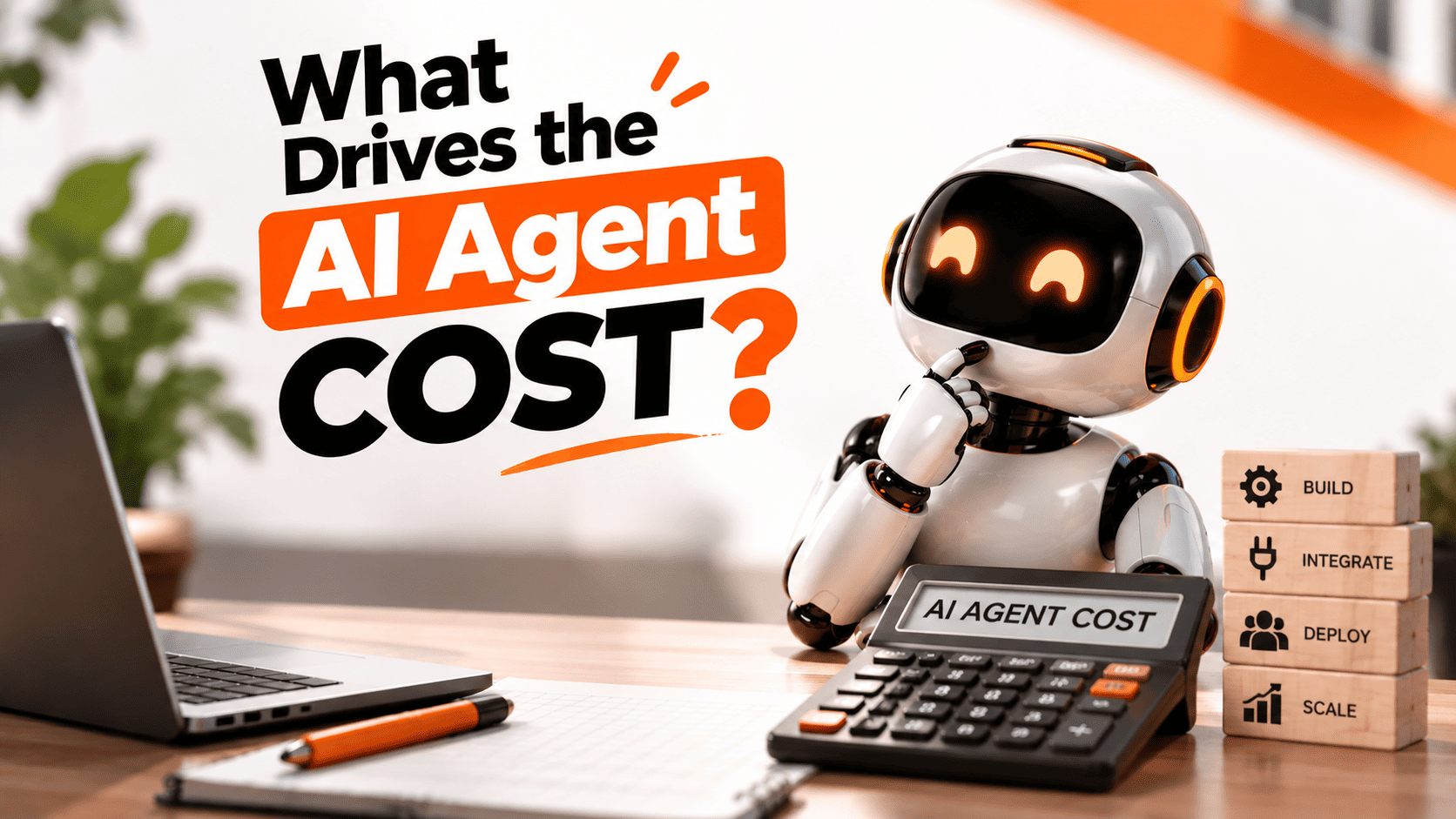
Building custom “AI agents for business” can cost from “$25,000 for a single-workflow prototype to over $200,000 for an enterprise-wide multi-agent system.”
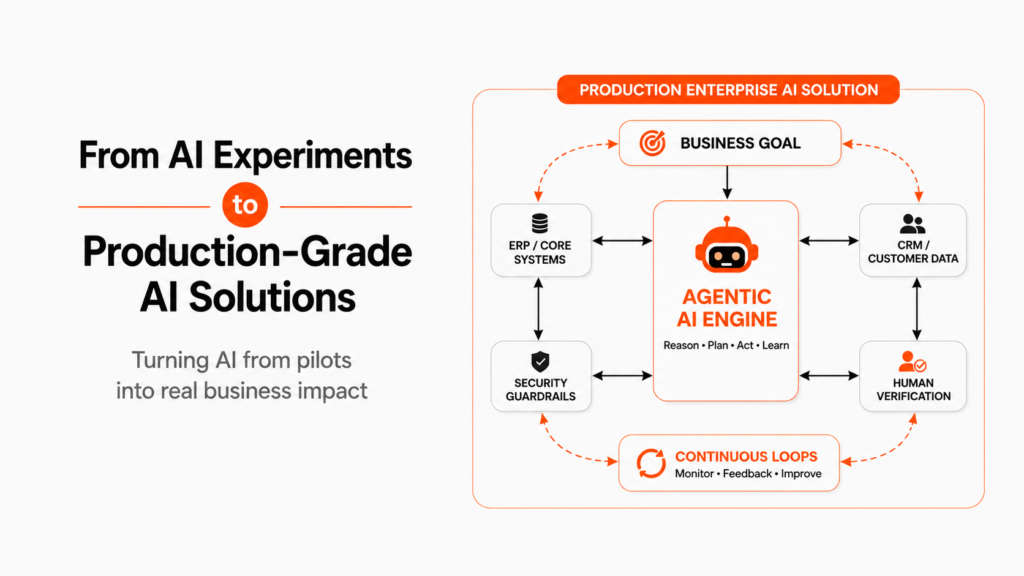
The wide price range is not random. When you hire an AI agent development company, you are not paying only for code. You are investing in integration depth, reasoning autonomy, custom security guardrails, and risk mitigation.
Market data from Gartner projects that by the end of 2026, over 40% of enterprise software applications will have embedded agentic capabilities. However, without clear project scoping, enterprise teams may spend too much on over-engineered systems or budget too little for post-launch token usage and maintenance.
This buyer’s guide explains custom AI agent pricing tiers, the technical factors behind vendor quotes, and how to get the best operational ROI.
AI Agent Pricing Tiers at a Glance
To set realistic budgets, enterprise software projects generally fall into four different complexity levels.
| Development Tier | Typical Cost Range | Build Timeline | Core Capabilities & Architecture |
| Proof of Concept (PoC) | $20,000 – $35,000 | 3 to 5 Weeks | Automates one task, basic prompt engineering, 1 SaaS API connection, and human-triggered execution. |
| Single-Workflow Agent | $35,000 – $75,000 | 6 to 10 Weeks | Handles multi-step reasoning, uses RAG, connects with 2–3 main tools such as CRM/ERP, and has state memory. |
| Multi-Agent Process System | $75,000 – $160,000 | 3 to 5 Months | Uses multiple AI agents working together, custom guardrails, advanced RBAC, and automatic handling of unusual cases. |
| Enterprise Agent Ecosystem | $160,000 – $300,000+ | 6 to 9 Months | Uses custom fine-tuned open-source models, connects with legacy systems through middleware, includes complete audit tracking, real-time evaluation, and regulatory compliance. |
The 5 Technical Drivers Behind Vendor Quotes
When an AI agent development company evaluates your scope, five core architectural variables drive the total engineering effort.
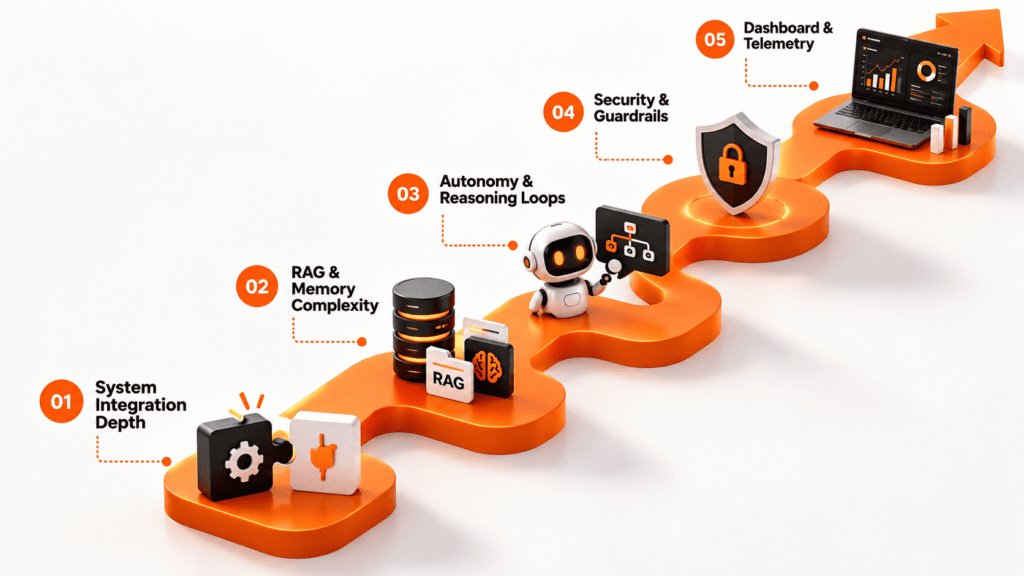
1. Integration Depth with Legacy Infrastructure
Connecting an agent to modern REST APIs, such as HubSpot or Stripe, is usually simple and needs basic authentication. But connecting **agentic AI** to older ERPs, on-premise databases, or custom internal systems is more complex. It may require custom middleware, changing data formats, and handling system errors.
- Standard SaaS Connectors – Lower additional cost ($5,000 – $10,000).
- Legacy ERP & Custom Middleware – Higher development cost ($20,000 – $50,000+).
2. Retrieval-Augmented Generation (RAG) & Memory
If your agent needs to search company information, developers need to build a vector database system, such as Pinecone or Qdrant. This includes collecting and cleaning data, dividing data into smaller meaningful sections, and storing information for long-term memory. These steps add significant development time.
3. Autonomy Levels and Reasoning Frameworks
A simple AI agent that creates a draft for a human to review is less expensive. A fully autonomous agent that can update databases, place supplier orders, or issue refunds without human approval needs strong safety controls, backup processes, and red-team testing.
4. Enterprise Security and Role-Based Access (RBAC)
AI agents must only be able to access and change data that the user has permission to access. Security features such as PII scrubbing, zero-trust API validation, and SOC2/HIPAA audit logging increase development time and cost at the beginning, but help prevent serious security risks.
5. Custom UI and Admin Management Dashboards
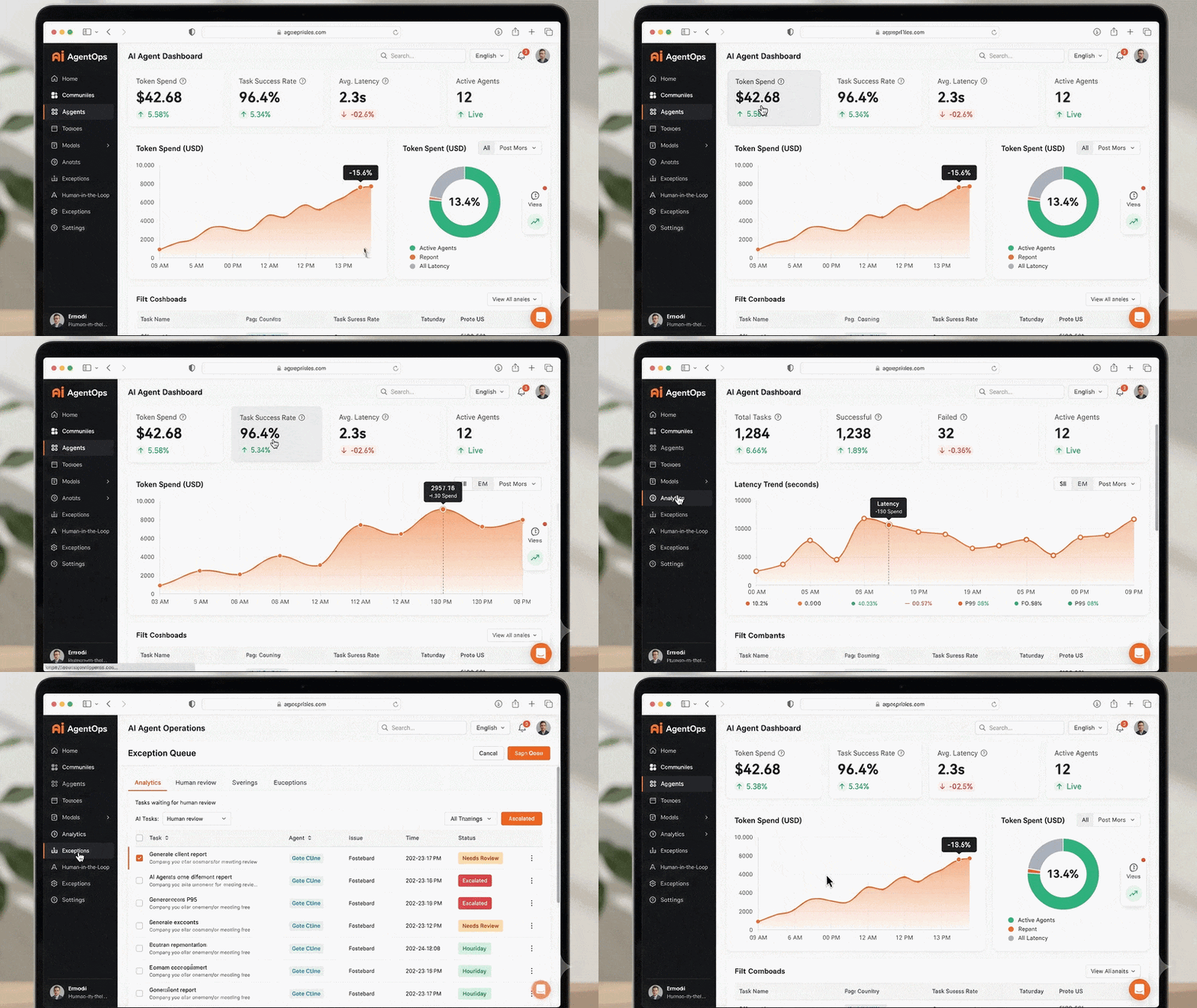
If your team needs a custom internal dashboard, it can add to the project scope. The dashboard can be used to monitor active agent tasks, change or stop decisions, and review execution logs. Building these features requires additional front-end development.
When we built an automated reconciliation engine for a national logistics operator, we helped a mid-market enterprise cut manual invoice processing costs by 64% within the first 90 days of deployment.
Hidden Post-Launch Costs: Budgeting for Ongoing Ops
A common procurement mistake is budgeting only for the initial software build. Running custom AI agents for business in production also involves ongoing monthly infrastructure costs (AgentOps).
- LLM Token Usage: Every reasoning step, tool call, and data lookup uses tokens. High-volume business agents typically cost $500 to $4,000 per month in API fees.
- Observability & Evaluation Tools: Platforms like LangSmith or Arize monitor agent health, detect infinite execution loops, and track token usage. These tools can add $300 to $1,200 per month.
- Model Maintenance & Drift Mitigation: API schemas can change, and model providers can release updates. Setting aside $1,500 to $5,000 per month for ongoing maintenance helps keep the agent’s task accuracy high.
💡 Is your team trying to map out a clear budget for an upcoming AI initiative?
Avoid unexpected cost overruns. Book a Free 15-Minute AI Audit with our lead systems architects to evaluate your technical scope and get an accurate TCO estimate.
3 Strategies to Maximize Your Return on Investment
Data published in Harvard Business Review shows that organizations that focus their AI spending on specific workflow problems get results faster than those that spend money on broad “innovation” labs.
To achieve a high ROI on your project –
- Target High-Frequency, Data-Heavy Bottlenecks
Start with repeatable workflows where employees spend hours moving data between different platforms, such as customer onboarding, lead enrichment, or invoice processing. - Enforce a 90-Day Proof of Value
Start with a project that can show measurable results, such as reducing cycle time by 50%, before expanding to multi-agent frameworks. - Keep the Architecture Vendor-Agnostic
Make sure your agency partner builds a modular system wrapper. This allows you to change LLM providers when cheaper and faster models become available, helping continuously reduce your operational token costs.
🚀 Explore Our Custom Engineering Solutions
Ready to see how custom agentic architectures integrate into your software ecosystem?
Check out our Enterprise AI Automation Solutions page to view system specs, integration protocols, and security standards.
Frequently Asked Questions (FAQs)
For a production-ready, single-workflow AI agent connected to your main software platforms, typical project costs range from $35,000 to $75,000. Complex multi-agent business process deployments generally cost between $75,000 and $160,000+.
Basic chatbots simply generate text responses to user questions. Custom AI agents create multi-step plans, connect with external software APIs, access internal databases, and perform real actions on their own. The higher cost comes from the complex software development, tool integration, state memory, and guardrail logic needed for secure execution.
For most mid-market business operations, monthly token costs range from $500 to $4,000 per month, depending on workflow volume and the reasoning models used, such as GPT-4o, Claude 3.5 Sonnet, or fine-tuned open-source models.
A focused proof-of-concept (PoC) usually takes around 3 to 5 weeks. A full enterprise production deployment for business process agents generally takes 8 to 14 weeks, including security audits, human-in-the-loop workflow setup, and user acceptance testing.
📞 Ready to Build High-ROI Autonomous Workflows?
Stop guessing your build expenses. Partner with an experienced ai agent development company to map your technical architecture, calculate expected operational savings, and deploy secure AI agents built for enterprise scale.