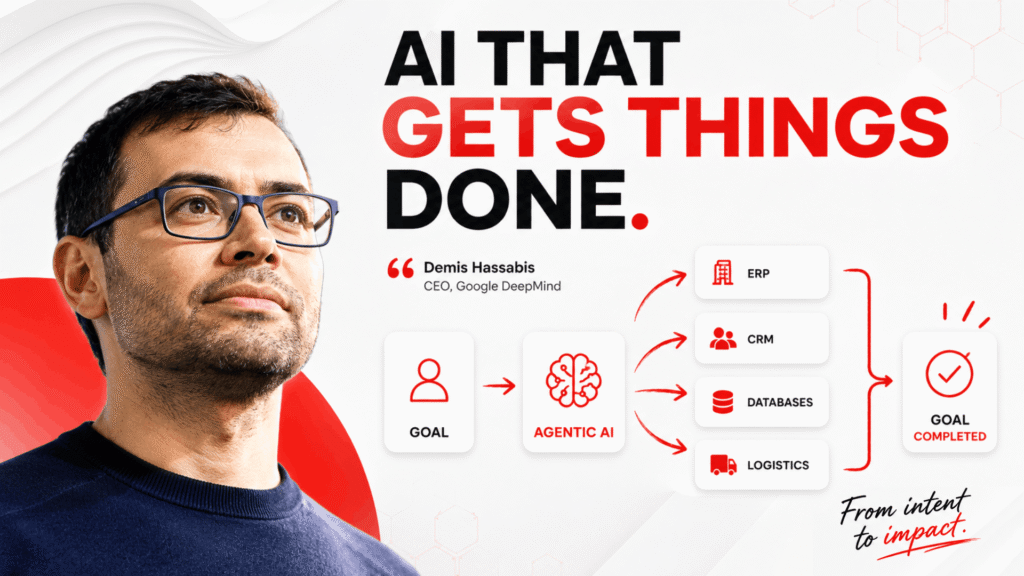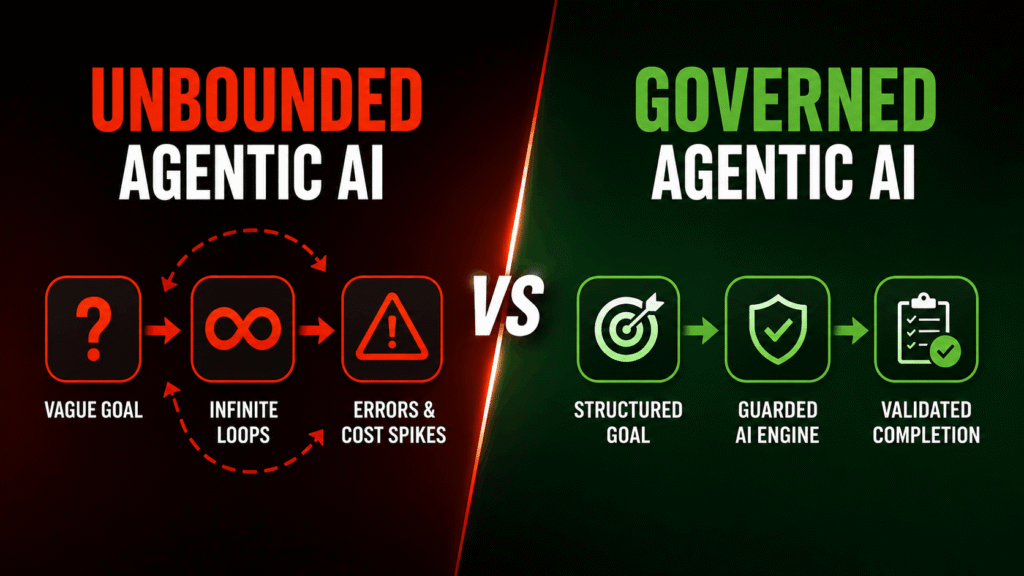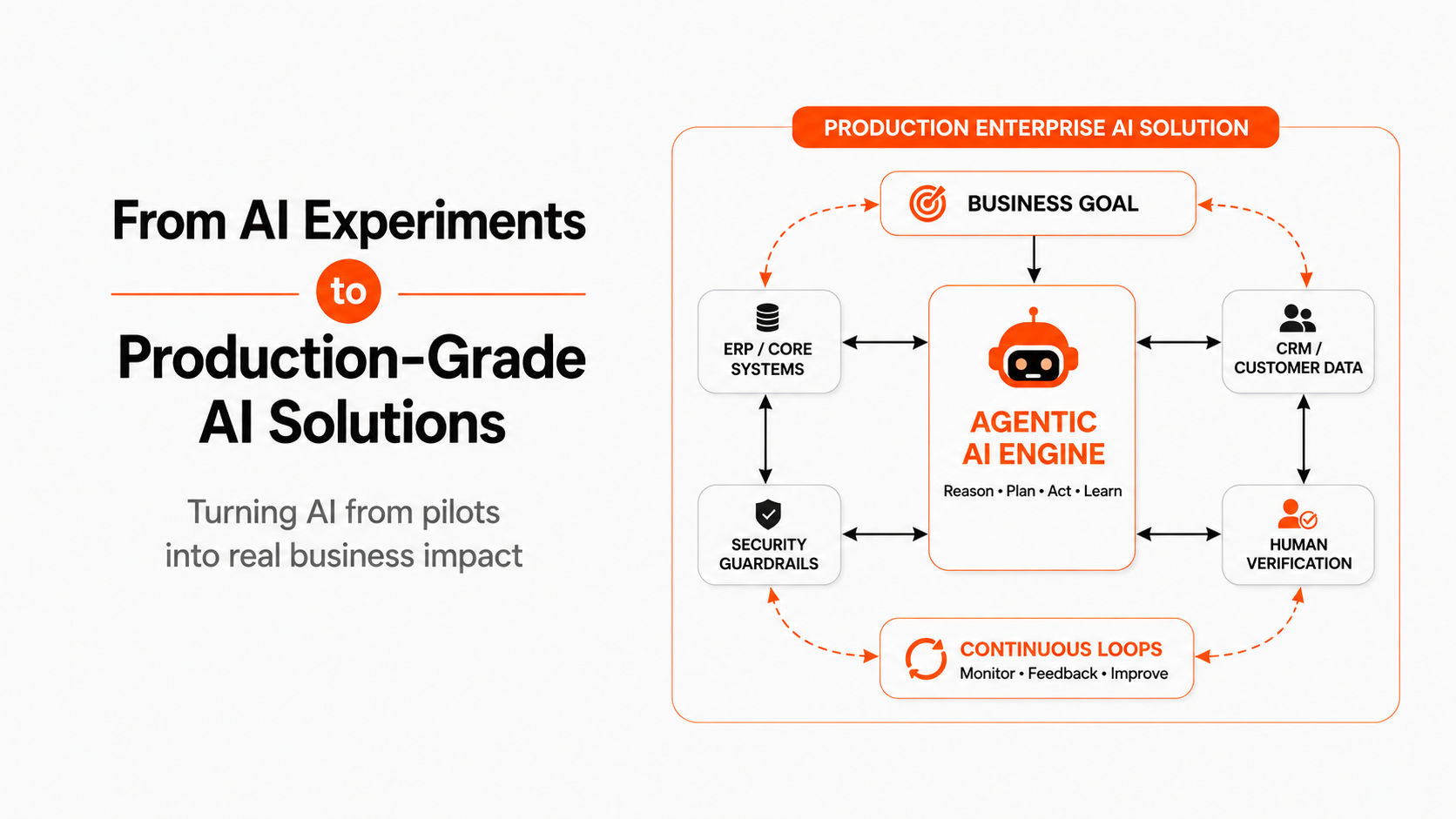
According to recent enterprise benchmarking data from S&P Global Market Intelligence, 31% of organizations have successfully deployed at least one enterprise AI solution featuring autonomous capability into live production. Yet while over 80% of software vendors rush to integrate agentic features, the majority of internal company projects remain trapped in endless proof-of-concept loops.
The division in the market is no longer about who has access to the most powerful underlying language models. Instead, it comes down to architecture, boundary design, and integration.
Dario Amodei, CEO of Anthropic, has described the coming impact of increasingly capable AI systems:
“AI progress is accelerating… it could overwhelm our ability to adapt.”
This operational guide explores what top-performing companies do differently when scaling AI agents for business, how agentic AI transforms traditional workflows, and how to transition your organization from pilot-stage experimentation to production-grade ROI.
The Gap Between Passive AI and Agentic AI
Moving into live production requires recognizing that agentic AI is fundamentally different from the conversational text generators of recent years.
While early enterprise AI initiatives focused on information retrieval and content generation, autonomous AI agents act as digital team members. They accept high-level strategic objectives, reason through complex steps, interface directly with software via APIs, handle exceptions, and complete real-world business tasks autonomously.
| System Attribute | Chatbots & Text Generators | Task-Based RPA | Enterprise Agentic AI Systems |
| Core Function | Information retrieval & text synthesis | Static, rule-based process execution | Multi-step reasoning & goal completion |
| Adaptability | High (conversational), zero system execution | Low (breaks when scripts or UI change) | High (adapts execution steps to context) |
| System Access | Read-only knowledge bases | Surface UI recording & screen scraping | Deep API read/write access across software |
| Decision Logic | Prompt-dependent outputs | Fixed decision trees (if/then) | Autonomous tool usage with fallback loops |
Unlike legacy software that breaks the moment an unformatted input arrives, an enterprise ai solution built on modern agentic frameworks uses continuous reasoning loops to adjust its plan, query alternative systems, and execute complex workflows end-to-end.
3 Differentiators of Production-Ready AI Agents
Organizations that achieve measurable performance gains from AI agents for business focus on three foundational execution pillars:
1. Direct API Connectors Over Screen Scraping
Production leaders connect autonomous AI agents directly to core back-end infrastructure using secure API endpoints. Relying on superficial user interface scraping creates fragile automation. High-performing deployments run on resilient, authenticated data pipelines.
2. Dynamic Context and Domain Semantics
Contextual accuracy is critical. Leading teams feed their agents real-time structured data using domain-specific knowledge layers. According to Gartner research, embedding enterprise semantics into data architectures increases operational accuracy by up to 80% while significantly reducing computational overhead.
3. Bounded Autonomy and Risk Tiering
Market leaders rarely grant unlimited operational freedom on day one. They implement clear operational tiers:
- Tier 1 (Full Autonomy): Read-only data lookups, draft generation, and routine internal categorizations.
- Tier 2 (Conditional Autonomy): High-volume, low-risk actions with strict parameters (e.g., approving vendor credits under $200).
- Tier 3 (Human Review): Irreversible or high-value transactions automatically trigger human-in-the-loop (HITL) authorization routines.
Is your data infrastructure ready for agentic automation?
Don’t waste months building in a vacuum. Book a Free 15-Minute AI Readiness Audit with our technical architects to identify high-impact workflows ready for production deployment.
Where Production Leaders Deploy Autonomous AI Agents
Enterprises achieving fast payback focus on high-volume operational bottlenecks where AI agents for business eliminate costly manual delays:
- Procurement & Invoice Reconciliation: Agents cross-reference incoming multi-page invoices against SAP purchase orders and bank records, flag line-item discrepancies, and route resolved packets for payout.
- IT Service Management (ITSM): Agents evaluate incoming technical tickets, run diagnostic API checks across cloud environments, execute routine system resets, and escalate complex security anomalies.
- Customer Operations & Order Edits: Instead of presenting static decision trees, agents verify customer account status, check real-time warehouse inventory, adjust order details, and issue updated invoices autonomously.
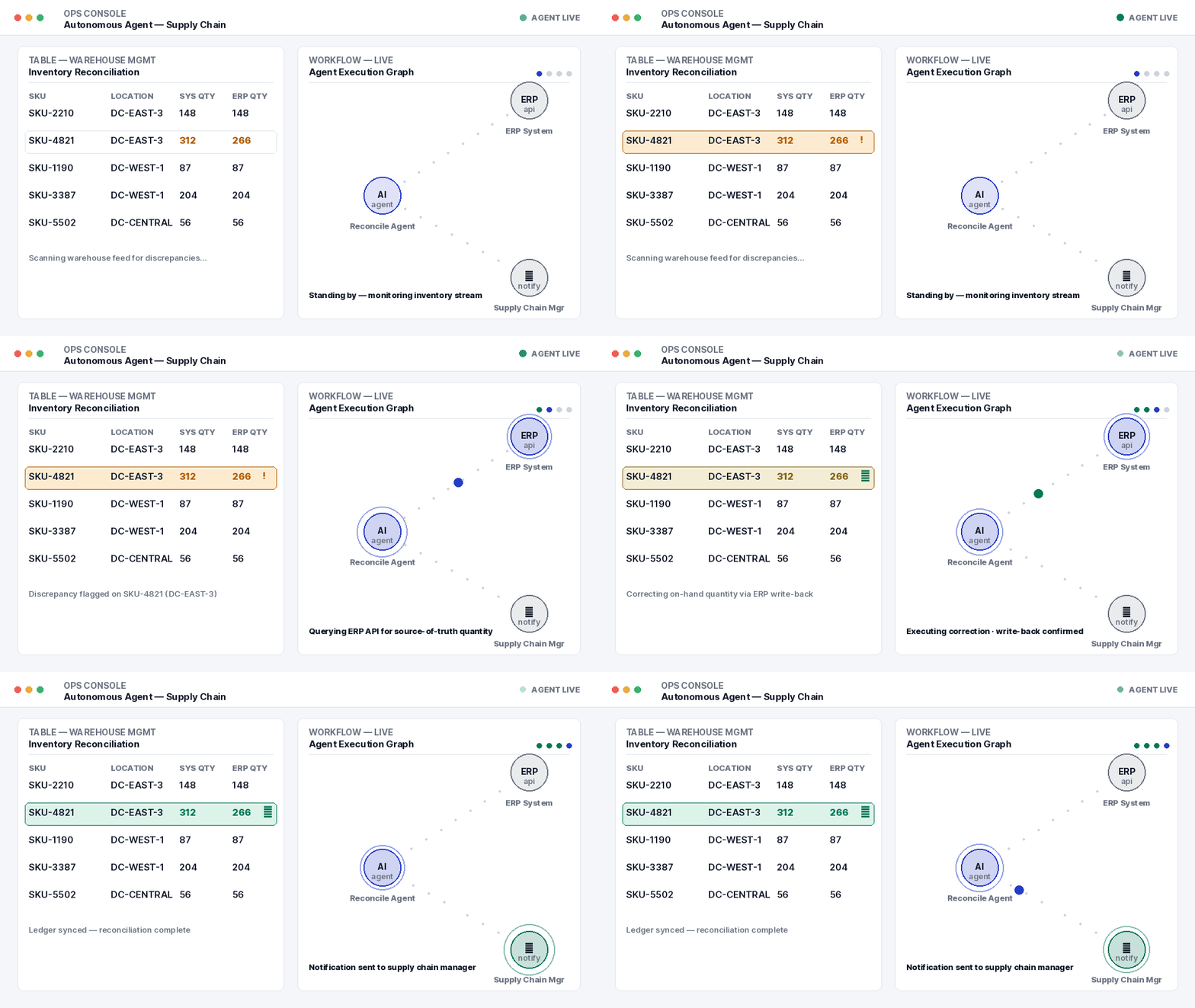
When our team deployed targeted agentic AI workflows to optimize complex operational bottlenecks, we helped a mid-market distributor cut manual invoice processing costs by 64% while maintaining enterprise compliance Explore our AI Automation Case Studies
The Executive Roadmap for Agentic AI Deployment
Deploying an enterprise ai solution does not require rebuilding your software stack from scratch. It requires a disciplined deployment model.
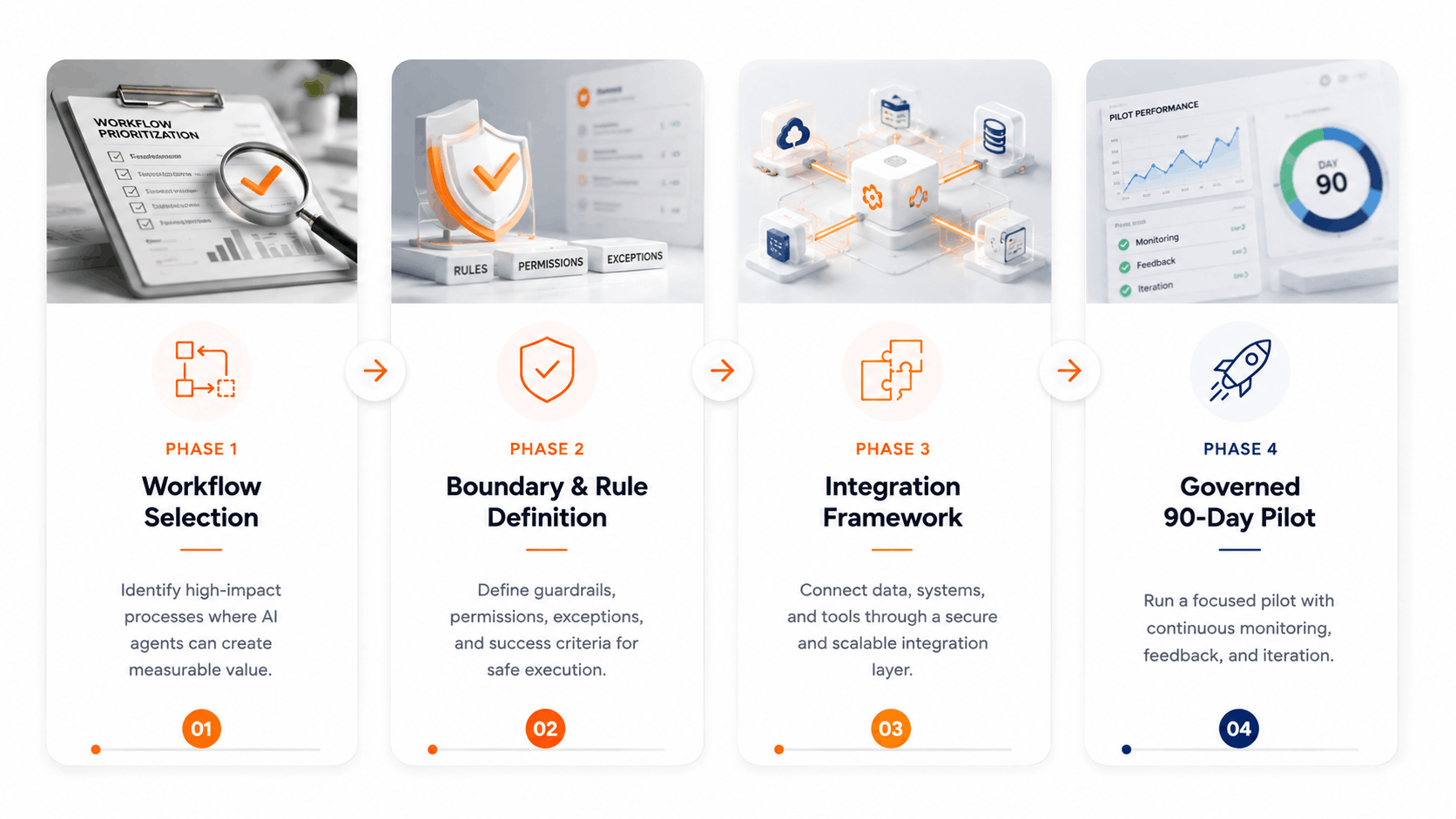
Phase 1: Target Narrow, Measurable Processes
Avoid vague mandates such as “transform corporate productivity.” Choose a single, high-frequency workflow with concrete success metrics, such as “automate standard vendor account verification.”
Phase 2: Set Explicit Boundaries and Permissions
Define explicit RBAC (Role-Based Access Control) frameworks for your autonomous ai agents. Specify exactly what database records they can view, what fields they can update, and where manager sign-off is mandatory.
Phase 3: Connect Native Systems
Integrate your agent framework into your existing ecosystem using robust middleware. Explore our detailed guide on building scalable enterprise integration pipelines to evaluate custom versus off-the-shelf framework approaches.
Phase 4: Run a Governed 90-Day Pilot
Deploy agents alongside human operations. Measure key operational parameters including resolution speeds, error rates, and human intervention metrics—before granting higher levels of operational autonomy.
Accelerate Your AI Deployment Strategy
Stop experimenting and start driving measurable returns.
Frequently Asked Questions (FAQs)
Generative AI produces content (text, code, images) in response to direct user prompts. Agentic ai evaluates goals, creates multi-step plans, uses external software tools via APIs, and executes complete operational tasks with minimal human intervention.
Most pilots stall due to inadequate security guardrails, poor data accessibility, reliance on fragile user-interface scraping instead of robust APIs, and attempts to automate unstructured processes without human-in-the-loop fallback options.
Yes. When designed with bounded autonomy, role-based access controls, complete audit logging, and human-in-the-loop review for high-impact decisions, ai agents for business meet strict enterprise compliance standards.
Transform Your Operations with Production-Ready AI
The gap between companies running stuck AI pilots and those deploying live AI agents for business comes down to governance, integration, and risk-managed execution.
Ready to transition your organization’s AI initiatives into scalable production systems?
Connect with our systems architects today to review live agentic workflows, analyze your integration stack, and build your 90-day deployment roadmap.